
Crafting Resilient Online Practices: Essential Tips for Email Security
Key Takeaways
- Email security is essential in protecting personal and business communications from ever-evolving cyber threats, including malware, viruses, and phishing scams.
- Phishing attacks, particularly spear phishing, are among the most common and damaging threats, requiring heightened awareness and vigilance.
- Developing secure email habits, such as using strong passwords, enabling two-factor authentication, and staying informed about scams, is critical for safeguarding inboxes.
- Tools like spam filters, email encryption, and advanced threat protection services can significantly enhance email security and protect sensitive information.
- Regular employee training, including phishing simulations, helps organizations identify vulnerabilities and strengthen their defenses against potential email-based attacks.
Introduction to Email Security
In today’s interconnected world, email serves as a vital communication tool for both individuals and businesses. This necessary method of communication comes with inevitable risks, making email a prime target for cyber threats. With billions of emails exchanged daily, the importance of robust email security practices is more critical than ever. Understanding and implementing effective phishing training is an essential step in safeguarding against potential attacks and ensuring the integrity of your communications. Cybercriminals continue to refine their strategies, making it imperative for everyone to educate themselves on the risks associated with email usage. Whether it’s through malicious attachments, phishing scams, or social engineering, the landscape of threats is constantly evolving. This underscores the necessity for comprehensive email security measures that protect valuable data and maintain trust within digital communications.
Understanding the Common Threats
Emails can be vulnerable to a wide array of threats, ranging from the simplistic to the highly sophisticated. Malware and viruses, often camouflaged within innocuous-looking attachments, can launch destructive activities once opened. Operational disruption, financial loss, and data theft are all possible outcomes of these threats. However, phishing emails pose a more pernicious hazard since they are designed to look like authentic correspondence and aim to fool recipients into disclosing personal information or clicking on harmful links. Additionally, with the increasing use of social engineering tactics, attackers have become adept at manipulating human emotions and trust. They impersonate trusted contacts or agencies to deceive users into compromising their security. This wide spectrum of threats makes it vital for users and organizations to be vigilant and informed about potential dangers lurking within their inboxes.
Recognizing Phishing Attacks
Phishing attacks are among the most pervasive cyber threats in the realm of email communication. These attacks exploit the trust and naivety of users, often presenting themselves as reputable sources. Whether it’s through urgent notifications from banks or unexpected work-related queries, these scams are crafted to bypass critical thinking and prompt hasty actions. The complexity of phishing attacks has grown, with fraudsters continually improving their strategies. According to recent phishing statistics, there has been a marked increase in targeted phishing attacks, known as spear phishing, which target specific individuals within organizations. The substantial monetary and reputational damage caused by these attacks highlights the importance of implementing stringent email security policies and awareness programs.
Developing Secure Email Habits
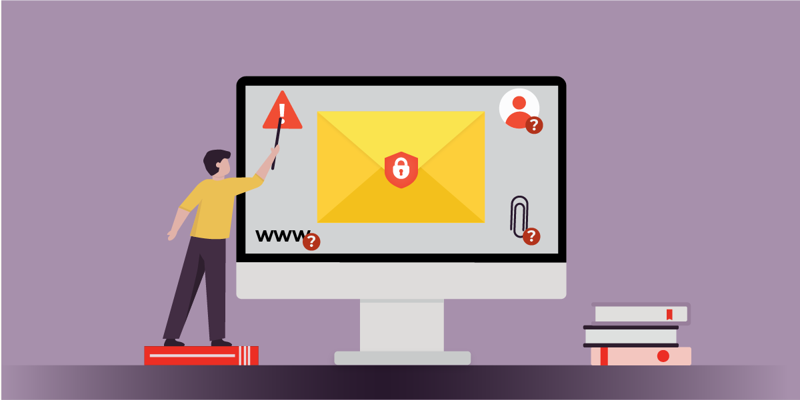
Establishing secure email habits is vital for both personal and organizational security. A foundational practice includes setting strong, unique passwords for each email account, supplemented by regularly updating these passwords to prevent unauthorized access. Activtating two-factor authentication adds an extra layer of security, necessitating a second form of verification beyond the password, making unauthorized access significantly harder. Besides technical measures, staying informed about recent email scams and tactics used by cybercriminals is crucial. Educating oneself about common red flags, such as grammatical errors, suspicious email addresses, and urgent requests, can help individuals safeguard themselves from falling prey to scams. Remain cautious about the information shared through email and stay vigilant of irregularities in messages, being especially wary of unexpected attachments or requests for personal information.
Tools and Technologies for Protection
Integrating effective tools and technologies can drastically enhance email security. Spam filters, which operate as the first line of defense, help eliminate unwanted and potentially dangerous communications before they reach your inbox. Meanwhile, advanced threat protection services can analyze email content in real-time, blocking malicious entities. Email encryption is another potent tool for safeguarding sensitive data. By encrypting the contents of emails, users can ensure that communications remain confidential and are only accessible to intended recipients. For those seeking a deeper understanding of how these technologies can protect sensitive information, a guide on email encryption methods provides valuable insights into the available options.
Strategies for Businesses
Businesses face unique challenges in maintaining secure email communication, often dealing with larger volumes of sensitive data and diverse user endpoints. Therefore, comprehensive security strategies are imperative. Developing robust security policies, conducting regular audits, and investing in cutting-edge security software are crucial steps in safeguarding business communications. Furthermore, encouraging a security-conscious culture across the entire company helps improve everyone’s awareness of possible threats. Promoting an open discussion about cybersecurity and making sure that everyone has the skills and information necessary to identify risks enable staff members to take an active role in the organization’s defense plan.
The Role of Training and Simulation
Educating employees about potential email threats is a fundamental component of any security strategy. Training programs to increase awareness and response to security risks should be a top priority for any business. Phishing simulations are particularly effective in preparing teams for real-world scenarios. These exercises not only increase awareness but also help improve response times and identify weaknesses in the current security infrastructure. By simulating real-life phishing attempts, organizations can provide employees with safe environments to learn and practice responding appropriately. This proactive approach strengthens individual skills and bolsters overall organizational security, creating a unified defense against evolving cyber threats.
Conclusion
Email security requires constant vigilance and adaptability to evolving cyber threats. Individuals and businesses can significantly reduce risks by understanding common attack vectors and adopting secure practices. Emphasizing the importance of ongoing training, practical simulations, and employing the latest security tools will further bolster defenses, protecting crucial communication pathways from compromise. Continuous learning and adaptation to emerging technologies and strategies are key to maintaining robust and secure email environments.
