
8 Essential Skills Every Child Should Develop in Early Childhood
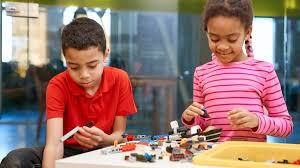
Early childhood is the beginning of a lifetime of learning, and it charts the path to the intellectual, emotional, social, and physical development of a child. The early years are a critical period for brain growth, with experiences during this time influencing how children think, communicate, and interact with the world around them.
As children explore their environment, they develop essential skills that enhance their ability to learn, adapt, and thrive. These skills go beyond academics, shaping their creativity, emotional intelligence, independence, and moral values. This article explores eight essential skills that every child should develop in early childhood, along with practical ways parents and best schools in India can nurture these abilities.
Key Areas of Development in Early Childhood
1. Cognitive Development: Building Strong Thinking Skills
Cognitive growth is the quality of thinking, reasoning, memorizing, and problem-solving. Early childhood is a time children learn to see the world as they observe, experiment, and ask questions.
How to Promote Cognitive Development:
- Foster inquiry and exploration: Kids learn in a better way through hands-on experience. Everyday science experiments, nature walks, and building blocks aid in problem-solving skills.
- Use problem-solving and storytelling: Storytelling is linked with oral reading, whereas puzzle-solving and recognition games are linked with logical thinking and memory.
- Create an exciting learning environment: Providing open-ended materials like LEGO, magnetic tiles, or sensory bins will induce autonomous and thoughtful thinking.
Early cognitive development enhances the concentration strength of a child, his/her ability to analyze, reason, and thereby increases thinking power, getting them ready for formal education and everyday problem-solving.
2. Language and Communication Skills: The Power of Words
Language skills enable children to communicate their ideas, engage with other people, and participate in social relations. In early childhood, the child’s vocabulary increases, and learning about various communication forms improves their language skills. For example, Leading CBSE schools in Bengaluru are focusing on developing effective communication skills among students and preparing them to become future leaders.
Methods for Enhancing Language and Communication Skills:
- Read aloud every day: Reading books, telling stories, and discussing pictures will help children in sentence formation and new vocabulary.
- Engage in meaningful communication: Communicating with children every day during meals, playtime, bedtime enables them to develop their expressive language.
- Promote multi-language development: Wherever possible, exposing a child to more than one language leads to higher cognitive flexibility and flexibility.
Children with effective communication skills early in life become socially and academically better when they grow older.
3. Social and Emotional Development: Building Healthy Relationships
Social and emotional intelligence help kids navigate relationships, manage feelings, and resolve problems. A strong foundation in social-emotional development leads to improved self-regulation, empathy, and teamwork abilities.
How to Encourage Social and Emotional Growth
- Educate empathy and compassion: Role-modeling and talking about various feelings enable children to comprehend and value others’ emotions.
- Encourage self-expression: Teaching children to label their emotions (“I feel sad,” “I’m excited”) fosters self-awareness and emotional regulation.
- Create group play opportunities: Playing alongside friends helps to teach children the skills of cooperative working, sharing, and having turns, which are basic social skills.
Developing early emotional intelligence in children makes them able to deal more effectively with setbacks in school and life.
4. Physical Development: Strengthening the Body and Mind
Motor skill development is an important domain of early childhood. Large movements such as running and jumping and small precise movements such as writing and cutting have to be established.
Methods to Promote Physical Development
- Engage in active play: Climbing, dancing, and obstacle course activities all enhance coordination along with muscle strength.
- Fine motor skill assistive activities: Playing with puzzles, building blocks, utilizing scissors and threading beads build hand-eye coordination.
- Make outdoor time count: Outdoor play reiterates physical fitness, sensory education, and problem-solving skills.
Physical growth not only strengthens a child’s body and equilibrates it but also helps maintain mental and emotional stability.
5. Creativity and Imagination: Nurturing Innovation
Creativity is not merely music and art—creativity is also out-of-the-box thinking, problem-solving, and idea expression. Children’s imagination enables them to venture into unlimited possibilities and devise new ideas.
Methods of Fostering Creativity:
- Encourage creative expression: Drawing, painting, and crafting enables the children to express their thoughts and ideas visually.
- Foster imaginative play: Make-believe play (pretend doctor, chef, astronaut) increases a child’s capacity for storytelling and access to feelings.
- Introduce varied art forms to children: Music, dance, theatre, and storytelling enhances creativity, self-expression and innovation.
Children who engage in creative activities develop better critical thinking, self-confidence, and flexibility while pursuing studies or life activities in the future.
6. Moral and Ethical Values: Shaping Character and Integrity
Creating a strong moral basis enables children to understand what is right and wrong and how to develop good relationships. Educating children on moral values at an early age impacts behavior and choice for the entire duration of their lives.
How to Teach Moral Values
- Set an example: Kids learn by watching—display honesty, being respectful, and ethical in day-to-day interactions.
- Encourage responsibility: Giving children small tasks, like cleaning up toys or feeding a pet, helps develop accountability.
- Promote kindness through play: Sharing and cooperation games help children practice fairness and generosity.
Teaching good values builds a foundation for respectful, responsible, and empathetic individuals.
7. Independence and Self-Reliance: Building Confidence
Independence is an essential ability that enables children to decide, solve problems, and manage responsibilities independently.
Ways to Encourage Independence:
- Instill basic self-care: Dressing, brushing teeth and putting away belongings establish independence.
- Allow decision-making: Allowing them to choose between two outfits or select a snack creates confidence in their decisions.
- Encourage perseverance: Don’t always solve their problems at once but rather inspire them to work it out themselves
Developing self-reliance boosts confidence and resilience, preparing children to take on new challenges in life.
8. Love for Learning: Creating Lifelong Curiosity
The attitude of a child towards learning determines how the child will respond to education in the future. Children who associate learning with fun will tend to become self-driven and curious.
How to Encourage a Love for Learning:
- Provide an engaging environment: Arts and crafts supplies, educational games, and books engage students and bring learning to life.
- Practice positive reinforcement: Praise and encouragement facilitate motivation and persistence.
- Integrated learning in daily life: Acquiring new knowledge through sensory experience, field trips, and daily conversations sparks curiosity.
Children who love to learn will be more active, curious, and receptive to new concepts for their entire lifetime.
Conclusion
During early childhood It’s all about grooming a well-balanced individual and not just academically focused. Cognitive skills, social, emotional, physical, and creativity are all components leading to future success in the child. Both parents and educators also play an important role in setting proper foundation, providing guidance, and support so the child learns. All children learn differently at their own pace, and the most important thing is to support each child support in the same manner all the time, being patient, and offering scope to explore. By developing these eight key skills, we can build confident, capable, and independent youngsters, equipped to take their place in the world with excitement and curiosity.
